
SVG Sit-Down: ProximaVision’s Claudio Lisman on Why Tethered Drones Could Be a Game-Changer for Live Sports Production
- Jan 13
- 1 min read
Updated: Apr 8
SVG Sit-Down: ProximaVision’s Claudio Lisman on Why Tethered Drones Could Be a Game-Changer for Live Sports Production
Long-duration aircraft delivers low-latency HD/HDR video directly to any workflow
By Jason Dachman, Editorial Director, U.S.Thursday, December 4, 2025 – 7:00 amPrint This Story | Subscribe
In live sports production, aerial coverage has become an essential storytelling tool. From fixed-wing planes and helicopters to cable-suspended systems and drones, producers have come to rely on aerial coverage as integral to their operation. ProximaVision has brought a new angle to the mix with its next-gen tethered aerial systems.
The broadcast-ready platform is engineered for reliability, safety, and uninterrupted performance — capabilities that are increasingly vital as sports organizations demand higher-quality visuals and more-flexible production models. Unlike battery-powered drones restricted by flight time, interference, and regulatory hurdles, ProximaVision’s tethered aircraft can remain in the air for days at a time, delivering uncompressed, low-latency HD/HDR (and soon 4K) video directly into any production workflow.
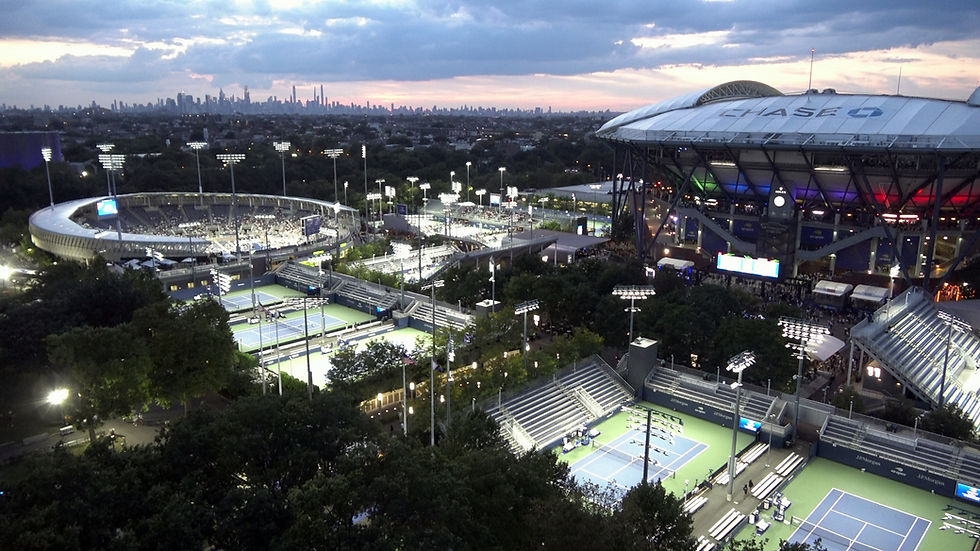
ProximaVision’s breakthrough moment came during the 2025 US Open tennis tournament, when the company became the only aerial system approved to fly live throughout the event. Operating for more than a week in one of the nation’s most complex and highly regulated airspaces, the platform delivered flawless, uninterrupted coverage of Arthur Ashe Stadium and the New York skyline, establishing a new benchmark for both safety and broadcast reliability.
Full article:


Comments